
Solving Aesthetic Issues With Smart Flooring, Lighting, and Décor
Aesthetic issues show up in every home, whether through outdated materials, mismatched finishes, or lighting that never quite lands the way you want it to. Smart flooring, smart décor, and well-designed lighting all offer creative ways to solve these aesthetic issues while maintaining comfort and functionality. With so many modern tools available, homeowners can now blend style and innovation without relying solely on large-scale renovations. As we explore the possibilities, we’ll also touch on how everyday elements—like carpet installation, cleaning companies, window shades, and even a visit to a hardwood floor showroom—can support a more polished, cohesive interior.
Throughout this article, you’ll see how solving aesthetic issues doesn’t require a single dramatic change but instead benefits from layering thoughtful decisions. Whether you’re exploring windows for sale, comparing lighting options at a lighting store, or looking to blend comfort with style in high-traffic areas, small adjustments can have a major impact. By understanding the relationship between flooring, lighting, décor, and everyday maintenance, you can create spaces that feel intentional, adaptable, and visually inviting.
How Can Smart Flooring Improve Room Aesthetics?
Benefits Of Color And Texture
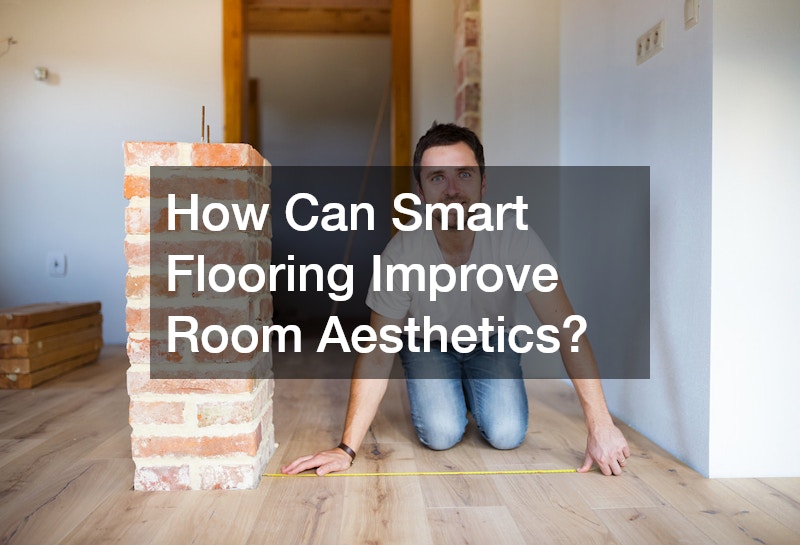
Smart flooring offers a versatile canvas for addressing aesthetic issues that come from outdated or generic surfaces. Color and texture influence a room’s personality far more than people often realize, and the right combination can shift a space from dull to inviting. With today’s options, you can choose materials that respond to smart controls, allowing subtle changes in tone or warmth based on lighting conditions. This helps prevent aesthetic issues that occur when natural light fluctuates throughout the day. Homeowners who prefer softness underfoot sometimes lean toward nylon wool carpet, while others pair hard-surface smart flooring with area rugs chosen for color harmony. Because these materials integrate well with modern décor, it’s easier to maintain consistent visual flow.
Integration With Other Smart Technologies
Smart flooring integrates naturally with today’s tech-based home systems, allowing you to correct aesthetic issues that stem from disjointed design choices. For example, when flooring sensors coordinate with smart lighting, rooms can shift tone automatically based on movement, time of day, or preferred ambiance. A hardwood floor showroom often showcases these pairings, helping you visualize how natural wood grains or engineered surfaces interact when illuminated by different types of light. As smart décor becomes more accessible, it’s common to see pieces that adjust color temperature to complement flooring tones.
What Role Does Lighting Play in Enhancing Aesthetics?
Importance Of Natural vs. Artificial Light
Lighting has an enormous influence on aesthetic issues in any room. Natural light reveals true color, shape, and depth, while artificial light allows you to sculpt atmosphere. Balancing both is the key to making a space feel intentional rather than accidental. Many homeowners consider impact window installation to increase natural light and reduce visual clutter caused by heavy frames or outdated glass. When shopping for windows for sale, it’s important to consider how features like tinting or UV protection might alter indoor lighting. These subtle differences affect everything—from flooring tones to wall colors to how décor appears from different angles.
How To Use Smart Lighting For Different Moods
Smart lighting gives homeowners new ways to solve aesthetic issues that come from static or one-dimensional lighting setups. Through app controls, preset scenes, or connected sensors, lighting can instantly shift a room’s emotional tone. Cooler light works well for productivity and clarity, while warmer tones create comfort and relaxation. These adjustments help minimize aesthetic issues like flat-looking surfaces or colors that seem off during certain hours. Smart lighting also enhances the appearance of carpet installation by reducing shadows or improving visibility across textured flooring.
What Are The Best Smart Décor Options For Home Interiors?
Selecting Decorative Elements Wisely
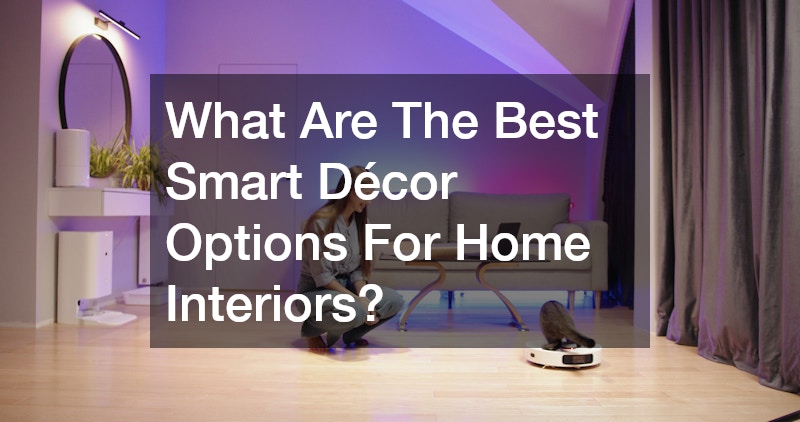
Smart décor goes beyond aesthetics by incorporating technology that subtly improves function without distracting from overall style. Choosing these pieces wisely helps resolve aesthetic issues like visual clutter, mismatched materials, or awkward proportions. Items such as programmable window shades or décor-integrated sensors let you maintain sleek lines while adding convenience. Many homeowners start by exploring windows for sale and pairing their choices with automated shades that blend into the architecture. This reduces visual noise and gives rooms a cleaner feel.
Trends In Smart Décor Technologies
Smart décor trends continue to evolve, offering fresh ways to address aesthetic issues without sacrificing style. One growing trend is the integration of sensors into décor pieces that adjust lighting, temperature, or sound based on activity levels. These adjustments create a dynamic atmosphere that adapts naturally to your lifestyle. Smart art frames, for example, allow you to rotate displayed images without physically swapping artwork, reducing the clutter and aesthetic issues that come from constant decoration changes.
How Does Smart Technology Boost Functionality While Enhancing Aesthetics?
Combining Style With Usability
Smart flooring, décor, and lighting bring practical usability into the same conversation as style, helping eliminate aesthetic issues that come from choosing beauty over function. For example, flooring that interacts with lighting systems can guide movement through a room, prevent shadow-heavy corners, and highlight safe walking paths. This is especially helpful in homes where traffic flow affects furniture placement. Carpet installation also plays a role here; carpets with subtle patterns or durable materials like nylon wool carpet can maintain style while handling daily wear. Working with home cleaning companies helps ensure these materials stay fresh, supporting both looks and longevity.
Smart décor and lighting add functionality without adding visual complexity. Minimalist light fixtures with advanced control systems, or décor pieces with hidden tech, allow rooms to stay visually calm while remaining practical. Window shades that adjust automatically throughout the day not only prevent harsh glares but also solve aesthetic issues related to inconsistent lighting. And when choosing windows for sale, considering models that complement both technology and décor ensures a cleaner, more intentional look. Smart design gives homeowners a way to balance usability and appearance with far less compromise than in the past.
Automation For Easy Adjustments
Automated systems help maintain aesthetic appeal by adjusting to changing conditions without requiring manual effort. This automation solves aesthetic issues such as inconsistent lighting, rooms that feel too dim in the evening, or décor that seems mismatched when a space shifts from day to night. Motion-activated lighting can brighten pathways, while voice-controlled fixtures adjust color temperature for reading, relaxing, or entertaining. These tools help unify flooring, décor, and lighting choices, making rooms feel cohesive at all times.
Can Smart Solutions Help With Space Perception?
Tricks To Make Small Spaces Feel Larger
Smart technology can dramatically improve how spacious a room feels by addressing aesthetic issues like shadows, clutter, or poor layout. Lighting is one of the most effective tools—cooler light temperatures and well-placed fixtures create depth and reduce the boxed-in feeling that small rooms often have. Pairing lighting with impact window installation or browsing windows for sale that maximize natural light helps expand visual boundaries even further. Smart window shades can brighten a room at key times of day, preventing that heavy, enclosed appearance.
Flooring plays an equally important role. Continuous flooring throughout multiple areas creates visual flow, reducing the chopped-up look that contributes to aesthetic issues. Carpet installation using lighter tones or smooth textures can help a small room breathe. Nylon wool carpet is often chosen for this because it holds color well and reflects light softly. Smart décor—like low-profile shelving or adaptable furniture—keeps surfaces open and minimizes clutter. And to maintain that airy appearance, many people rely on home cleaning companies to preserve color clarity and surface brightness over time. If handled thoughtfully, smart solutions work together to make even modest spaces feel generous and comfortable.
Creating Zones With Smart Lighting And Flooring
Smart technology can also help define zones within larger or open-concept spaces, solving aesthetic issues related to layout confusion or visual blending. Using smart lighting to differentiate areas—such as reading corners, dining sections, or workspaces—creates subtle boundaries without needing to add physical walls. Warmer tones can designate cozy spots, while cooler, brighter lighting signals functional areas. This approach works especially well alongside impact window installation, which brings in consistent natural light that can then be shaped by window shades for more precise zone control. When paired thoughtfully, these elements create fluid transitions that support both style and usability.
What Are the Eco-Friendly Benefits of Smart Flooring and Lighting?

Sustainable Materials In Smart Flooring
Sustainable materials play a major role in solving aesthetic issues while supporting environmentally conscious design. Smart flooring often incorporates recycled content, responsibly sourced wood, or energy-efficient manufacturing processes. These materials not only look beautiful but also provide long-lasting performance. When you visit a hardwood floor showroom, you’ll often find engineered wood options that reduce waste while offering the same warmth and aesthetic flexibility as traditional hardwood. For homeowners who prefer textile surfaces, nylon wool carpet provides a blend of natural and synthetic materials, balancing sustainability with durability and visual elegance.
Energy Efficiency And Aesthetic Appeal
Energy-efficient lighting is a cornerstone of modern interior design, helping reduce utility usage while solving aesthetic issues tied to inconsistent illumination. Smart bulbs and fixtures can adjust output based on time of day, natural light levels, or user preferences. This constant adaptability improves overall atmosphere and highlights flooring, décor, and architectural features. Visiting a lighting store can help homeowners compare smart fixtures and learn how varying light temperatures and brightness levels influence the look of materials like nylon wool carpet, hardwood, or textured décor.
How Can Color Psychology Influence Your Choice of Smart Aesthetics?
Understanding Color Theory
Color psychology plays a powerful role in shaping interior atmospheres and solving aesthetic issues tied to mood, comfort, and cohesion. Understanding how colors behave in various lighting conditions is essential when selecting flooring, décor, or wall finishes. For example, warm tones often create a sense of intimacy, while cool tones bring clarity and openness. These effects can be amplified or softened by smart lighting, which adjusts temperature and intensity to complement chosen palettes. This helps prevent aesthetic issues caused by colors appearing too harsh, too dull, or mismatched under changing daylight.
Applying Color Psychology With Smart Technology
Smart technology makes it easier to apply color psychology intentionally, reducing aesthetic issues caused by static or inflexible lighting. Smart lighting systems allow homeowners to shift color temperature and brightness instantly, creating different emotional experiences in the same room. Cooler light can help improve focus during work hours, while warmer tones soften the atmosphere for evening relaxation. This adaptability means homeowners can experiment with emotional effects without having to repaint walls or replace décor.
What Are Some Common Mistakes To Avoid With Smart Aesthetics?
Overlooking The Importance Of Cohesion
One of the most common aesthetic issues in tech-enhanced spaces is a lack of cohesion. When homeowners mix styles, finishes, or technologies without a unifying vision, the result can feel cluttered or disjointed. Flooring, lighting, and décor must work together visually and functionally. For instance, pairing a modern lighting system with outdated flooring can create jarring contrasts. Visiting a hardwood floor showroom or exploring nylon wool carpet options helps ensure your materials match your design direction. Similarly, coordinating carpet installation with smart lighting prevents mismatched tones or uneven illumination.
Ignoring User Interaction And Functionality
Another mistake is focusing solely on visual upgrades while ignoring how people will interact with smart systems. Aesthetic issues become more obvious when technology is difficult to use or interrupts daily routines. Lighting systems that require too many steps to adjust or décor items that feel overly complex can detract from the room’s comfort. Visiting a lighting store can help you compare user-friendly options. Simple controls, motion sensors, and intuitive automation can enhance usability without overwhelming the design.
Flooring also plays a usability role. Carpet installation should match how the space is used daily—whether through durable nylon wool carpet or resilient hard-surface materials. Windows contribute as well; impact window installation improves ease of operation and long-term comfort. Even window shades should open and close smoothly to ensure natural light remains accessible. Cleaning companies often note that user-friendly materials are easier to maintain, preventing aesthetic issues caused by dirt buildup or hard-to-reach surfaces. Functionality and beauty must evolve together for smart aesthetics to reach their full potential.
Aesthetic issues can arise in any home, whether from outdated materials, inconsistent lighting, or décor that no longer supports the functionality of a space. Smart flooring, lighting, and décor give homeowners powerful ways to solve these problems without relying solely on large-scale renovations. By layering thoughtful design choices—such as selecting materials that complement one another, pairing flooring with light-conscious window solutions, or integrating adaptable décor—you can create an environment that feels both polished and personal. Throughout this article, we explored how simple additions like window shades, lighting upgrades, or impact window installation contribute to a more visually cohesive home while also improving comfort.
Many homeowners are surprised by how small changes can create big improvements. Smart lighting helps define zones, enhance mood, and make small spaces feel larger, while flooring elements like nylon wool carpet or well-planned carpet installation lay the groundwork for both style and durability. Professional support from cleaning companies and carpet cleaning services also plays a key role in maintaining long-term beauty, ensuring surfaces remain vibrant and free of wear-related aesthetic issues.
Ultimately, smart design blends practicality and elegance. Whether you’re exploring windows for sale, tracking down inspiration at a hardwood floor showroom, or browsing options at a lighting store, each decision adds another piece to the visual puzzle. By embracing adaptable, integrated technology, you can refine your interior spaces with confidence—reducing aesthetic issues, enhancing comfort, and shaping a home that evolves gracefully with your lifestyle.