Why Curb Appeal Suffers When Aesthetic Issues Are Ignored
Curb appeal is often treated as a surface-level concern, but it plays a deeper role in how a property is perceived, evaluated, and remembered. Whether a home is being prepared for sale or simply maintained for long-term ownership, the exterior sets expectations before anyone steps inside. When aesthetic issues are ignored, those expectations quietly decline. Peeling paint, mismatched materials, unkempt landscaping, and outdated design choices all signal neglect, even when the interior is well cared for. Over time, small aesthetic issues accumulate and subtly reshape how a home fits into its surroundings.
Homeowners sometimes underestimate how quickly curb appeal can erode. Exterior elements are constantly exposed to weather, foot traffic, and seasonal wear, which makes regular attention essential. Functional upgrades alone do not preserve visual harmony. A house locksmith might secure a property and a house mover might help during a relocation, but neither addresses the visible signals that influence perception. Curb appeal depends on consistency, balance, and maintenance across multiple exterior elements. When aesthetic issues persist, they affect property value, neighborhood cohesion, and personal pride of ownership. Understanding why curb appeal suffers is the first step toward protecting it and ensuring a home continues to make a positive impression.
What Is Curb Appeal And Why Is It Important?
Definition And Components Of Curb Appeal
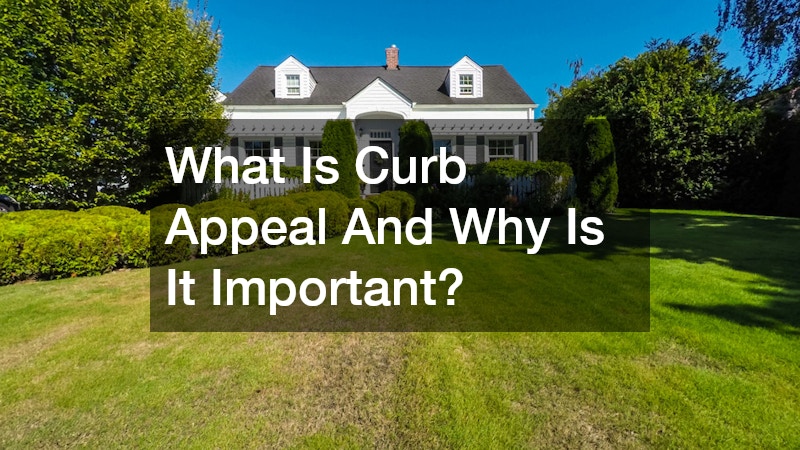
Curb appeal refers to the overall attractiveness of a property as seen from the street. It includes architectural features, landscaping, walkways, fencing, exterior finishes, and how all of these elements work together visually. While curb appeal is often discussed in terms of first impressions, it also reflects how well a property is maintained over time. When aesthetic issues appear in one area, they tend to draw attention to others, creating a ripple effect that makes the entire exterior feel less intentional.
The components of curb appeal extend beyond decorative choices. Structural alignment, proportion, and condition matter just as much as color or style. Uneven fencing, worn pathways, or neglected lawn edges disrupt visual flow. Even practical tools like mowers influence curb appeal indirectly by shaping how clean and orderly outdoor spaces appear. When these components are cared for consistently, aesthetic issues are easier to prevent. When they are ignored, the exterior begins to feel fragmented and outdated, regardless of the home’s actual condition.
The Impact Of Curb Appeal On Property Value
Curb appeal has a measurable influence on how a property is valued and how quickly it attracts interest. Buyers and appraisers form opinions before reviewing details, and visible aesthetic issues can lower perceived quality. A home that looks neglected on the outside raises concerns about maintenance habits overall, even if those concerns are unfounded. This perception alone can affect pricing flexibility and negotiation outcomes.
Beyond resale value, curb appeal impacts everyday satisfaction. Homeowners who address aesthetic issues proactively often avoid larger corrective expenses later. Exterior problems rarely stay isolated; visual neglect can accompany physical deterioration. By maintaining curb appeal, property owners protect both market value and long-term structural integrity, reinforcing the idea that aesthetics and functionality are closely linked rather than separate priorities.
How Do Architectural Styles Influence Curb Appeal?
Understanding Different Architectural Styles
Architectural style establishes the visual framework for curb appeal. Whether a home is traditional, modern, craftsman, or colonial, its design language dictates appropriate materials, colors, and proportions. When updates ignore that framework, aesthetic issues become more noticeable. A modern façade paired with traditional trim, for example, can create visual confusion rather than contrast.
Understanding architectural style helps homeowners make cohesive choices. Exterior elements should support the home’s original intent, even when modernized. This includes rooflines, window shapes, and surface materials. When style is respected, curb appeal feels natural rather than forced. When it is overlooked, aesthetic issues appear as inconsistencies that weaken the home’s identity within its environment.
Maintaining Consistency With Architectural Themes
Consistency is essential for strong curb appeal. Mixing styles without a clear plan often results in aesthetic issues that are difficult to correct later. Additions, replacements, or upgrades should align with existing architectural cues. This applies to everything from exterior lighting fixtures to fencing materials and color palettes.
Even necessary services can influence consistency. Tree companies performing exterior work, for instance, must consider sightlines and balance when removing or shaping vegetation. Thoughtful planning ensures functional changes do not introduce new aesthetic issues. Maintaining architectural consistency preserves visual harmony and helps a property age gracefully rather than appearing pieced together over time.
What Role Does Landscaping Play In Curb Appeal?
Elements Of Effective Landscaping
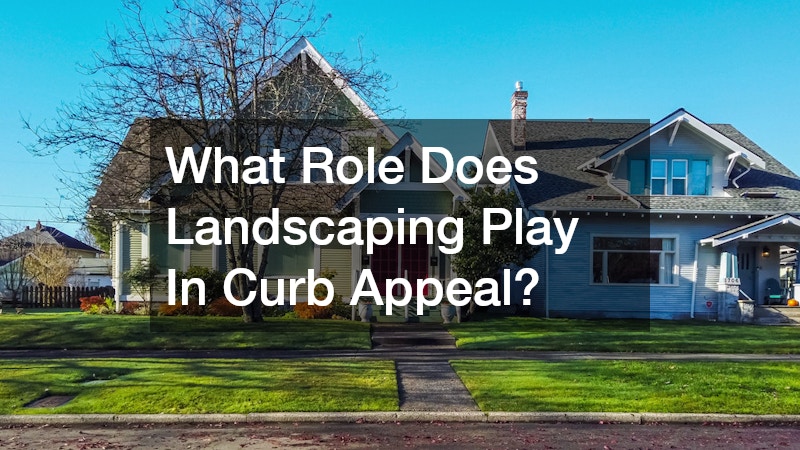
Landscaping is one of the most visible contributors to curb appeal. Lawns, trees, shrubs, and pathways frame the home and guide the eye. Effective landscaping creates structure while allowing the house itself to remain the focal point. When maintained properly, it softens architectural lines and adds depth without overwhelming the exterior.
Tree care plays a significant role in this balance. Services such as local tree care and local tree pruning services help maintain healthy growth while preserving symmetry. Overgrown branches can obscure façades and create shadows that emphasize aesthetic issues elsewhere. Thoughtful landscaping enhances curb appeal by reinforcing order, scale, and seasonal interest throughout the year.
The Consequences Of Neglected Landscaping
Neglected landscaping quickly undermines curb appeal. Overgrown lawns, untrimmed hedges, and unmanaged trees introduce visual clutter that distracts from the home itself. In severe cases, the need for local tree removal becomes apparent when vegetation begins to encroach on structures or utilities. These conditions signal neglect and amplify existing aesthetic issues.
Poor landscaping can also create functional problems, such as drainage issues or pest habitats, which further impact exterior perception. Tree services are often reactive rather than proactive when landscaping is ignored. Regular maintenance reduces the likelihood of larger interventions and keeps curb appeal intact by preventing small aesthetic issues from becoming dominant visual problems.
How Can Exterior Paint Color Affect Curb Appeal?
Choosing The Right Color Schemes
Exterior paint color has a powerful influence on curb appeal because it unifies architectural and landscaping elements. The right color scheme complements surrounding features and reinforces the home’s style. When colors clash or feel dated, aesthetic issues become immediately apparent. Neutral tones with thoughtful accents tend to age better and adapt to seasonal changes.
Color psychology also plays a role. Certain hues convey warmth, stability, or modernity, while others may feel harsh or outdated. Paint choices should consider neighboring properties as well, ensuring the home fits naturally within its environment. When done well, exterior paint minimizes aesthetic issues by creating visual cohesion rather than distraction.
Signs That Your Paint Needs Touching Up
Fading, peeling, and discoloration are clear indicators that exterior paint needs attention. These signs often appear gradually, making aesthetic issues easy to dismiss until they become prominent. Weather exposure accelerates wear, especially on sun-facing surfaces and trim details. Ignoring these signs allows minor flaws to spread across larger areas.
Beyond appearance, deteriorating paint can expose materials to moisture and damage. Addressing paint issues early protects both curb appeal and structural surfaces. Regular inspection and timely touch-ups prevent small aesthetic issues from redefining the entire exterior, preserving the home’s visual integrity over time.
Why Is Front Entrance Design Important?
Elements Of An Inviting Front Entrance
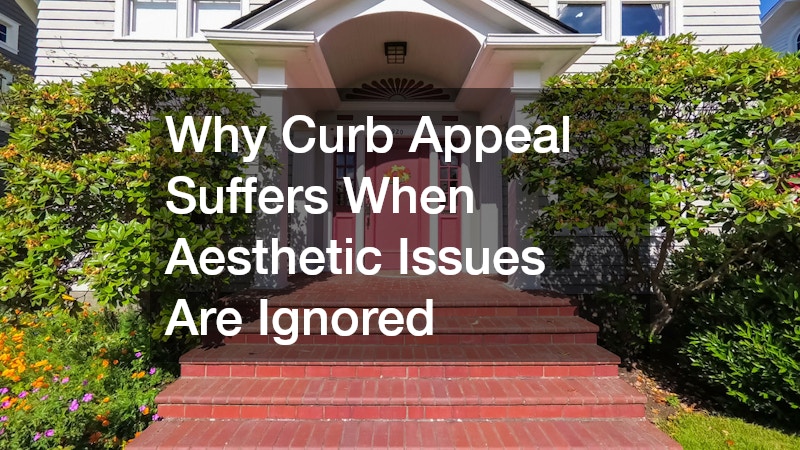
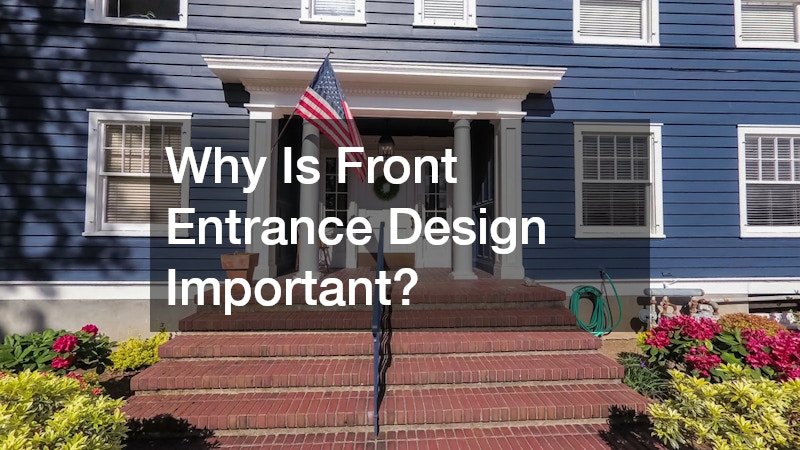
The front entrance acts as the visual and emotional gateway to a home. It is often the first area people focus on, making it a critical factor in curb appeal. An inviting entrance balances proportion, lighting, materials, and condition. When aesthetic issues appear here, they tend to dominate perception because the eye naturally lingers at the doorway. Clean lines, properly scaled features, and a clear path all help reinforce a sense of care and intention.
Functional elements contribute to this impression as well. Door hardware, visibility, and access should feel secure and well-maintained. While a house locksmith may address safety concerns, visible wear around locks or frames can still introduce aesthetic issues if not visually integrated. A welcoming entrance reassures visitors and residents alike, signaling that the rest of the property is equally well cared for.
Common Mistakes In Front Entrance Design
One common mistake is overcrowding the entrance with mismatched decorative elements. Too many planters, signs, or fixtures can clutter the space and detract from architectural details. Another issue arises when materials do not align with the rest of the exterior, creating visual breaks that feel unintentional. These inconsistencies often result in aesthetic issues that are difficult to ignore.
Poor maintenance also plays a role. Cracked steps, uneven walkways, or faded finishes send subtle signals of neglect. Even practical changes, such as accommodating a house mover during a relocation, can leave behind scuffed surfaces or misaligned features if not addressed afterward. Correcting these details restores balance and strengthens curb appeal at a critical focal point.
What Impact Do Windows And Doors Have On Curb Appeal?
Enhancing Curb Appeal With Quality Windows And Doors
Windows and doors shape the rhythm and symmetry of a home’s exterior. Their placement, style, and condition influence how cohesive the façade appears. Quality windows and doors enhance curb appeal by reinforcing architectural themes and creating consistent visual patterns. When these elements are outdated or poorly matched, aesthetic issues become more pronounced.
Material choice matters as well. Frames, finishes, and trim should complement siding and roofing materials. Subtle upgrades can significantly improve exterior appearance without altering the home’s character. When windows and doors are thoughtfully selected and maintained, they help anchor the design and reduce the likelihood of aesthetic issues drawing attention away from the property’s strengths.
Maintenance Issues That Can Affect Perception
Neglected windows and doors quickly undermine curb appeal. Peeling paint, warped frames, or fogged glass introduce visual flaws that suggest deeper problems. These aesthetic issues can make a home feel older and less reliable, even if structural integrity remains sound. Routine maintenance prevents minor wear from escalating into visible deterioration.
Seals, hinges, and trim all require periodic attention. When ignored, they create inconsistencies that disrupt visual flow. Addressing these details not only improves appearance but also reinforces the impression of overall care. Well-maintained windows and doors contribute to a polished exterior that supports long-term curb appeal.
How Do Outdoor Lighting Choices Affect Curb Appeal?
Importance Of Good Outdoor Lighting
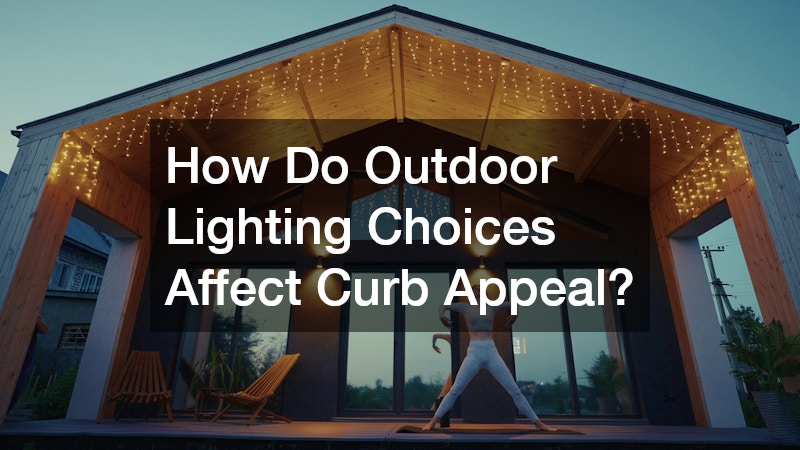
Outdoor lighting enhances curb appeal by highlighting architectural features and improving visibility after dark. Properly placed lighting adds depth and dimension, allowing the exterior to remain visually engaging at all hours. When lighting is balanced and intentional, it minimizes shadows that can exaggerate aesthetic issues.
Lighting also supports safety and accessibility. Pathway lights, entry fixtures, and accent lighting work together to guide movement and draw attention to focal points. Thoughtful lighting design complements landscaping and structural elements, reinforcing cohesion rather than competing for attention.
Common Missteps In Outdoor Lighting Design
Poor lighting choices can have the opposite effect. Overly bright fixtures, inconsistent styles, or improper placement can create glare and visual clutter. These mistakes introduce new aesthetic issues rather than solving existing ones. Inadequate lighting can also leave important features in shadow, making the exterior feel incomplete.
Another common problem is neglecting maintenance. Burned-out bulbs and damaged fixtures disrupt uniformity and signal neglect. Regular inspection ensures lighting continues to support curb appeal rather than detract from it. When lighting is treated as part of the overall design, it enhances rather than undermines exterior aesthetics.
What Maintenance Steps Can Protect Curb Appeal?
Essential Maintenance Practices
Consistent maintenance is the most effective way to prevent aesthetic issues from accumulating. Regular cleaning, repairs, and inspections keep exterior elements aligned and functional. Lawn care, including proper mowing with reliable mowers, ensures outdoor spaces remain tidy and proportionate. Small efforts performed consistently have a significant impact on curb appeal over time.
Tree care is another essential practice. Ongoing attention through local tree care and routine pruning maintains balance and prevents overgrowth. Healthy trees frame the home rather than overwhelm it. When maintenance is proactive, the need for emergency tree services decreases, preserving both appearance and structural safety.
Signs That Your Property Needs A Curb Appeal Overhaul
Certain signs indicate that maintenance alone may no longer be sufficient. Multiple visible aesthetic issues, mismatched updates, or widespread wear suggest the exterior needs a more comprehensive approach. These conditions often develop gradually, making them easy to overlook until curb appeal noticeably declines.
Overgrown vegetation requiring intervention from tree companies, failing finishes, or outdated features can collectively diminish exterior impact. Addressing these issues strategically restores cohesion and prevents further decline. Recognizing when a refresh is needed allows homeowners to regain control over their property’s visual narrative.
Curb appeal is not a static feature but an ongoing reflection of how a property is cared for and presented. When aesthetic issues are ignored, they accumulate quietly, reshaping perception and diminishing value over time. Each exterior element, from landscaping to lighting, contributes to a larger visual story. When that story becomes fragmented, curb appeal suffers, regardless of the home’s interior condition.
By addressing aesthetic issues proactively, homeowners protect both the visual and functional aspects of their property. Consistent maintenance, thoughtful design choices, and attention to detail reinforce cohesion and prevent small problems from becoming defining flaws. Curb appeal thrives when aesthetics and upkeep work together, creating an exterior that feels intentional, welcoming, and enduring.