Transform Your Space: Low Maintenance Landscaping Ideas For Front Yard
Key Takeaways
- Native plants reduce water consumption by up to 60% and require significantly less upkeep than non-native species, making them ideal for busy homeowners.
- Mulch layers of 2-3 inches suppress weed growth, retain soil moisture, and cut irrigation needs dramatically throughout the growing season.
- Hardscaping elements like gravel paths, pavers, and stone borders eliminate mowing zones while adding year-round structure to any yard.
- Drought-tolerant perennials and ornamental grasses offer visual interest with minimal watering, pruning, or fertilizing demands.
- Smart irrigation systems can reduce outdoor water use by 30% or more compared to traditional sprinkler setups.
- Grouping plants by water and sunlight needs (hydrozoning) simplifies care and boosts plant survival rates.
- A well-planned low-upkeep yard can increase home resale value by 5-15% according to industry research.
Why Low-Effort Yards Are the Smart Choice in 2026
Your front yard is the first thing visitors, neighbors, and potential buyers see. Yet most homeowners dread the weekend chore list that comes with it. Mowing, weeding, pruning, watering — the hours add up fast, and so do the costs.
The good news? A beautiful front yard doesn’t have to drain your time or wallet. Smart design choices rooted in horticultural research can slash maintenance hours while actually improving curb appeal. Studies show that professionally designed landscaping and outdoor spaces can boost resale value by up to 12%, making low-effort upgrades one of the highest-return home investments available in 2026.
What’s driving this shift? Climate pressures, water restrictions, and a growing understanding of ecological design have pushed homeowners toward sustainable solutions. The result is a new generation of yards that look lush but barely need attention.
How Do Native Plants Change the Game?
Native plants are species that evolved in your local region over thousands of years. Because they’re adapted to local soil, rainfall, and temperature patterns, they need far less intervention to thrive. That’s not marketing talk — it’s biology.
Some experts suggest that replacing lawn with native plantings can significantly reduce outdoor water consumption, while simultaneously reducing fertilizer and pesticide needs. Fewer inputs mean fewer trips to the garden store and more free weekends.
Picking the Right Natives for Your Zone
Not every native plant works in every yard. Start by identifying your USDA hardiness zone and soil type. Then look for species that match your sun exposure. Local extension offices and native plant societies publish free regional guides that take the guesswork out of selection.
Some popular low-care native choices across North America include:
- Black-eyed Susan for sunny, dry spots
- Little bluestem grass for texture and winter interest
- Coneflower for pollinator appeal and long bloom times
- Serviceberry for a small flowering tree option
- Switchgrass for erosion control and privacy
What Role Does Hardscaping Play?
Hardscaping refers to the non-living elements of your yard — stone paths, gravel beds, pavers, retaining walls, and decorative boulders. These features don’t grow, don’t need watering, and don’t demand pruning. Once installed, they essentially maintain themselves for decades.
Replacing patches of thirsty turf with hardscape dramatically shrinks your maintenance footprint. A gravel bed with a few sculptural plants can take the place of an entire lawn section, delivering modern style with near-zero upkeep. Permeable pavers also help with stormwater management, letting rain soak into the ground rather than running off into storm drains.
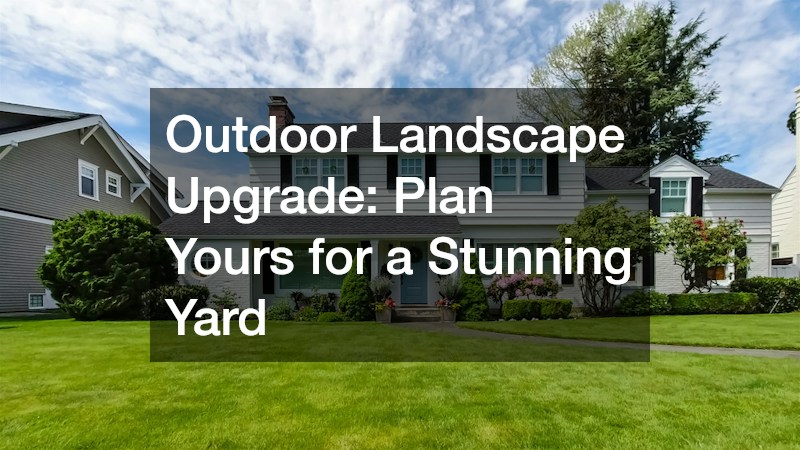
Thoughtful hardscape choices give your yard structure, especially in winter when plants go dormant. Think of hardscape as the bones of your design and plants as the clothing. If you’re planning a bigger outdoor landscape upgrade, start by mapping hardscape zones before choosing any plants — this top-down approach prevents costly rework later.
Easy Low Maintenance Landscaping Ideas for Front Yard Designs
Great design starts with simple principles: group plants by needs, minimize lawn area, and let mulch do the heavy lifting. These low-maintenance landscaping ideas for front yard spaces focus on reducing weekly effort while keeping curb appeal high.
Start by identifying the areas that currently demand the most attention. Is it a strip of turf that’s hard to mow? A flower bed overrun with weeds every June? Target those zones first with easier alternatives.
Here are proven ideas that consistently reduce upkeep:
- Replace narrow lawn strips with pea gravel or decomposed granite
- Install a 2-3 inch mulch layer around all plantings to suppress weeds
- Choose evergreen shrubs for year-round structure without seasonal cleanup
- Add drought-tolerant perennials in clusters of three or five for visual impact
- Edge beds with steel or stone to keep lines clean without constant trimming
- Use ornamental grasses as low-care focal points
The Power of Mulch Done Right
Mulch is the unsung hero of low-effort yards. A proper mulch layer blocks sunlight from reaching weed seeds, holds moisture in the soil, and slowly breaks down to enrich the earth below. Research from Oregon State University Extension shows that mulched beds can require up to 50% less irrigation than unmulched ones.
The trick is depth and placement. Aim for 2-3 inches of organic mulch like shredded bark or wood chips. Keep it a few inches away from plant stems and tree trunks to prevent rot. Refresh it once a year, and you’re done.
Can Smart Irrigation Really Save Time and Money?
Watering is one of the most time-consuming yard tasks, and it’s also where most homeowners waste the most resources. Traditional sprinkler systems run on timers that ignore weather, soil moisture, and plant needs. The result is overwatered beds, higher bills, and stressed plants.
Smart irrigation controllers change the equation entirely. These systems use weather data, soil sensors, and plant-specific programming to deliver water only when and where it’s needed. The U.S. EPA’s WaterSense program reports that homes using WaterSense-labeled smart controllers in 2026 save an average of 7,600 gallons of water per year compared to standard timers.
Drip irrigation takes efficiency even further. Instead of spraying water into the air where much evaporates, drip lines deliver water directly to plant roots. Installation is straightforward for most front yards, and the long-term savings are substantial. Here’s what a smart irrigation setup typically includes:
- A Wi-Fi-enabled controller with weather integration
- Drip lines for shrub and perennial beds
- Micro-sprayers for groundcover areas
- Soil moisture sensors in key zones
- A rain shutoff device to prevent waste
What About Groundcovers and Lawn Alternatives?
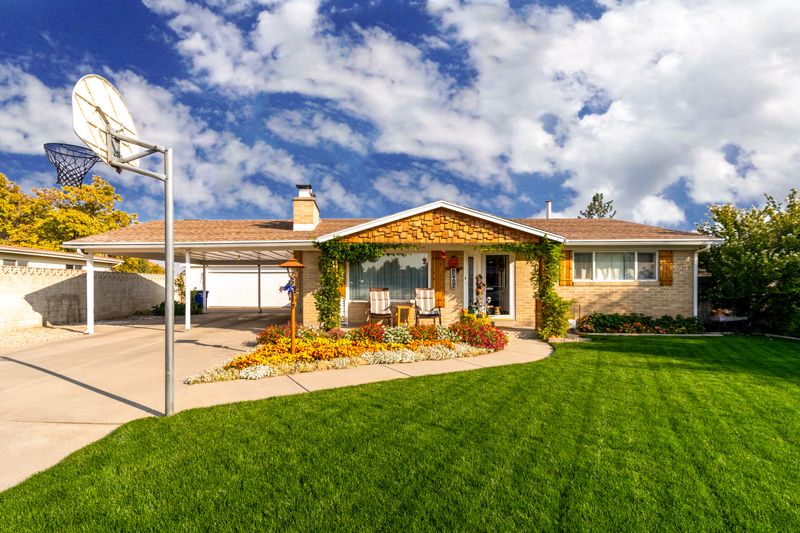
Traditional turf grass is one of the most resource-intensive plants in American yards. It needs weekly mowing, regular fertilizing, frequent watering, and ongoing weed control. For many homeowners, replacing some or all of their lawn with groundcovers is the single biggest time-saver available.
Groundcovers spread to form dense mats that outcompete weeds and need little to no mowing. Many stay green year-round and tolerate foot traffic. Clover lawns, in particular, have surged in popularity for their self-fertilizing nitrogen fixation and bee-friendly blooms.
Top Groundcover Choices Worth Considering
The right groundcover depends on your climate, sun exposure, and foot traffic needs. Creeping thyme handles sunny, dry spots and releases fragrance when stepped on. Sedum varieties thrive in rocky, poor soil. Moss works beautifully in shaded, damp corners where nothing else grows.
For larger areas that still need a lawn feel, consider micro-clover or fine fescue blends. These require mowing only a few times per season and stay green with minimal watering. Over time, they build healthier soil than conventional turf, reducing the need for synthetic inputs.
How Should You Plan Your Layout for Maximum Ease?
Design matters as much as plant selection. A well-planned yard practically takes care of itself, while a poorly designed one creates endless chores no matter what you plant. The key concept to understand is hydrozoning — grouping plants with similar water and light needs together.
When thirsty plants share a bed with drought-tolerant ones, someone always suffers. Either the dry-loving plants rot from overwatering, or the thirsty ones wilt. Hydrozoning solves this by matching each zone’s irrigation and sun exposure to a specific plant palette. Beds become self-regulating, and you stop fighting your own garden.
Simple layout principles that reduce upkeep include:
- Create wide, curved beds that are easy to mow around
- Minimize sharp corners and narrow strips of grass
- Group plants in masses rather than scattering individuals
- Leave room for mature plant sizes to avoid future pruning battles
- Use repetition of a few plant varieties for a cohesive look
- Position taller plants where they won’t block windows or walkways
Good landscaping design also considers how a yard will look in all four seasons. Mix evergreens, deciduous shrubs, perennials, and ornamental grasses so there’s always something interesting to see. This layered approach eliminates the dreary mid-winter look that tempts homeowners into expensive seasonal replanting.
Bringing It All Together
Creating a front yard that looks great without eating your weekends is entirely achievable with the right strategy. Native plants, smart hardscape, efficient irrigation, generous mulch, and thoughtful layout work together as a system — each element reducing the workload of the others.
The research is clear. Homes with sustainable, well-designed outdoor spaces save water, cut maintenance hours, and increase in value. In 2026, with water prices rising and climate patterns shifting, these choices are becoming less of a luxury and more of a necessity. Starting small is perfectly fine. Replace one lawn strip with gravel this season, swap a thirsty flower bed for native perennials next spring, and layer in smart irrigation when the budget allows. Each change compounds, and within a couple of years your front yard transforms from a weekly obligation into a true asset.
Common Mistakes to Avoid When Simplifying Your Yard
Even with the best intentions, homeowners often stumble when converting a high-upkeep yard into an easy-care one. Knowing the pitfalls ahead of time saves money and frustration.
The most frequent mistake is skipping soil preparation. Dumping new plants into compacted or depleted dirt sets them up to struggle, which means more watering, more fertilizing, and more replacements down the road. Spend a weekend amending beds with compost before planting, and your future self will thank you.
Another common error is choosing plants based on how they look at the garden center rather than how they’ll perform at mature size. A cute shrub in a one-gallon pot can become a six-foot monster in three years, blocking paths and crowding neighbors. Always check mature dimensions on the plant tag.
Watch out for these additional missteps:
- Planting too close to the house foundation, which traps moisture against siding
- Over-mulching with “mulch volcanoes” that suffocate tree trunks
- Installing drip lines without a filter, leading to clogged emitters
- Choosing invasive non-natives that escape beds and overwhelm neighbors
- Ignoring winter interest, resulting in a bare, lifeless yard for months
- Forgetting to budget for occasional seasonal cleanup like leaf removal
Budgeting for a Low-Upkeep Transformation
Costs vary widely based on yard size, material choices, and whether you hire professionals or do the work yourself. A modest DIY makeover of a 500-square-foot front yard can run between $800 and $2,500, while a professionally installed design with hardscape features typically ranges from $5,000 to $15,000.
The payoff comes quickly through reduced water bills, fewer plant replacements, and lower fuel and equipment costs. Many homeowners report recouping their investment within three to five years, not counting the resale value boost at sale time.
Conclusion
A front yard that looks polished without consuming your Saturdays is well within reach. The combination of regional native species, smart hardscape placement, mulch, hydrozoning, and efficient watering creates a system that largely runs itself. Rather than fighting your yard every weekend, you’ll be enjoying it from the porch with a cold drink in hand.
Remember that the best yards evolve over time. You don’t need to tear everything out and start fresh this weekend. Pick one area, apply the principles covered here, and build momentum from there. Every bed you convert, every sprinkler you replace with drip line, and every patch of turf you swap for groundcover brings you closer to a yard that gives back more than it takes.
In 2026 and beyond, the smartest front yards are the ones that work with nature instead of against it. By embracing these strategies, you’re not just saving time and money — you’re creating a healthier microclimate, supporting pollinators, and setting an example for your neighborhood. That’s a transformation worth making.